
AI
Exposures
Colley W. Bell III, editor
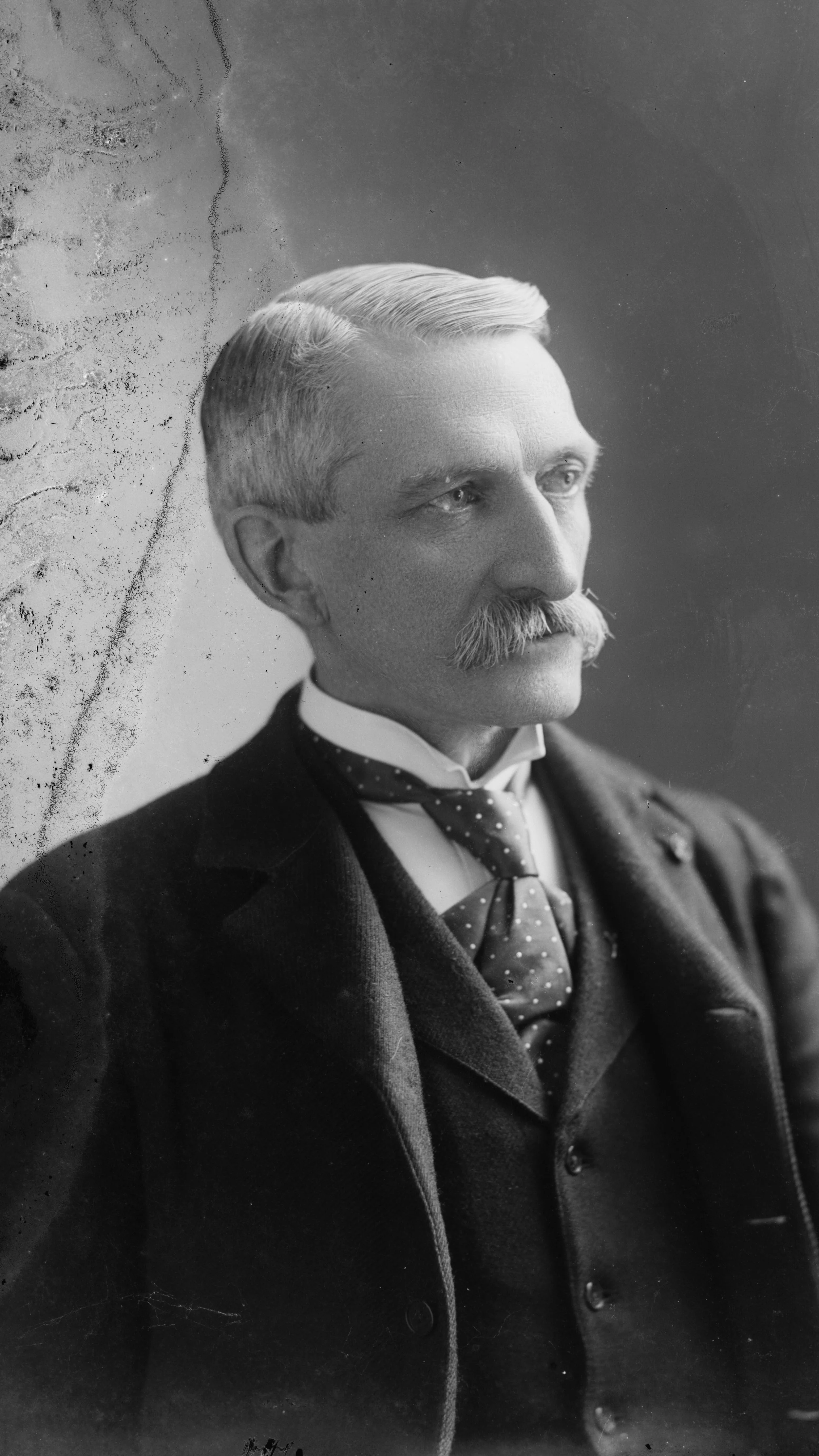
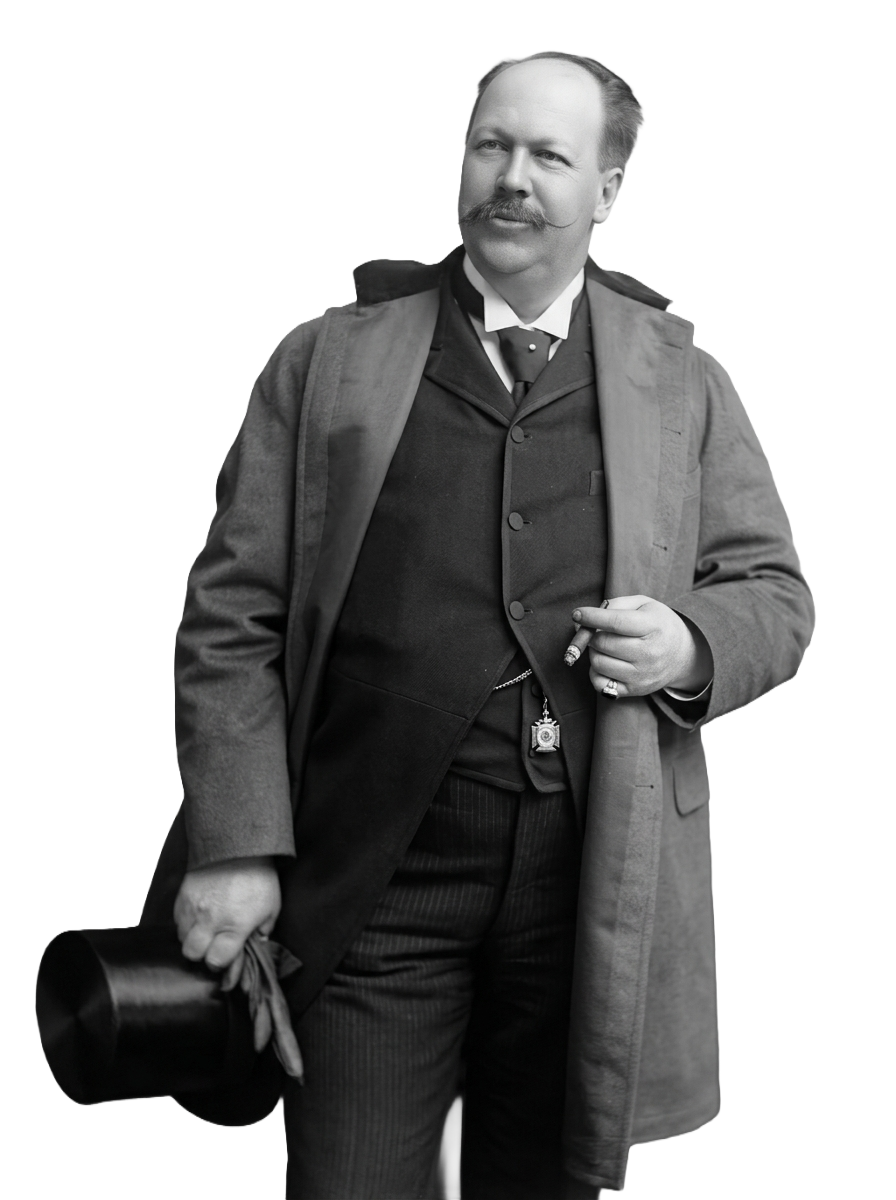
Entering C.M. Bell’s studio meant taking part in an occasion. Each sitting carried weight for both Bell and the subject, a deliberate moment before the lens fixed what now endures.
Of the roughly 80,000 negatives produced by the C. M. Bell studio, some 25,000 now reside in the Library of Congress. Even within that remarkable archive, however, identification can be sparse. A name scratched onto a negative may be all that remains. Sometimes there is not even that. From there, the work begins.
We turn first to the historical record, newspapers, census records, city directories, genealogical sources, government documents, obituaries, published scholarship, and the scattered fragments of public life through which a name, a face, and a story may once again be joined.
Beginning in 2026, artificial intelligence became part of that research process. It is used to assist in locating connections, organizing sources, comparing records, and developing lines of inquiry. The articles and research presented here have been aided by AI, but AI is not treated as the final authority. Sources are evaluated, claims are checked where possible, and the resulting work is reviewed and thoughtfully edited before publication. The purpose is not to manufacture certainty where the record does not support it. It is to use every responsible tool available to recover context, test identifications, and distinguish documented fact from reasonable inference.
What follows is an effort to restore presence, to move from anonymity toward recognition from silver and glass, and, where the surviving record permits, to return something of a life to the image that once held it.