
Exposures
Colley W. Bell III, editor
To enter the studio was to take part in an occasion. Each sitting carried weight, for both photographer and subject, a moment of intention before the lens fixed what might endure.
Of the roughly 80,000 negatives once produced, some 25,000 now rest in the Library of Congress. Yet even within that remarkable archive, identification is often spare. A name scratched onto a negative, sometimes nothing more, and at times not even that.
From there, the work begins.
We turn first to the record, newspapers, city directories, fragments of public life where names and faces might meet again. Increasingly, we also employ artificial intelligence, carefully and with restraint, as a tool to assist, not to conclude.
What follows is an effort to restore presence, to move from anonymity toward recognition, and to return, where possible, a life to the image that once held it.
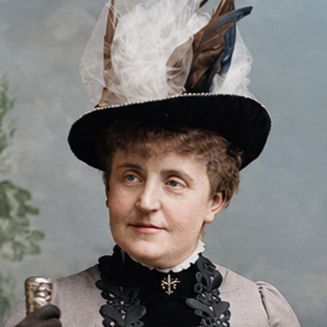
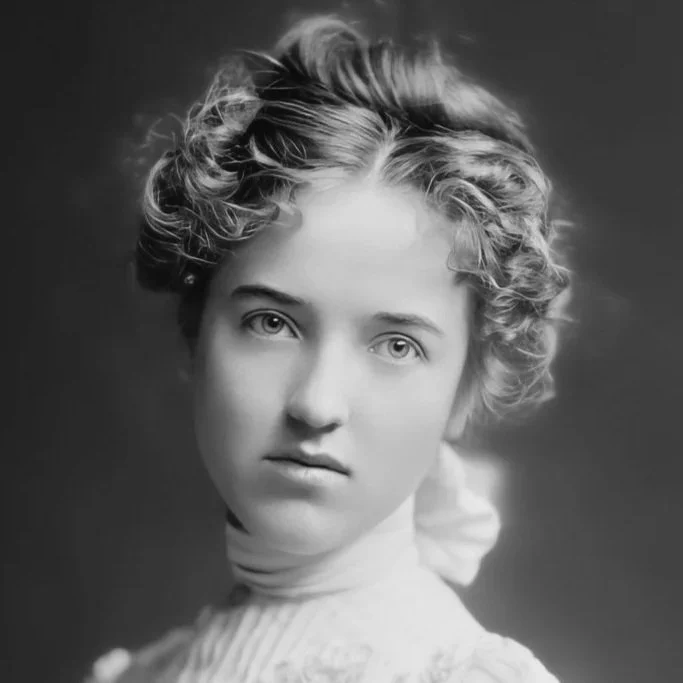
Frances Hodgson Burnett and the Family Behind the Stories
Faith, Politics, and Washington Portraits
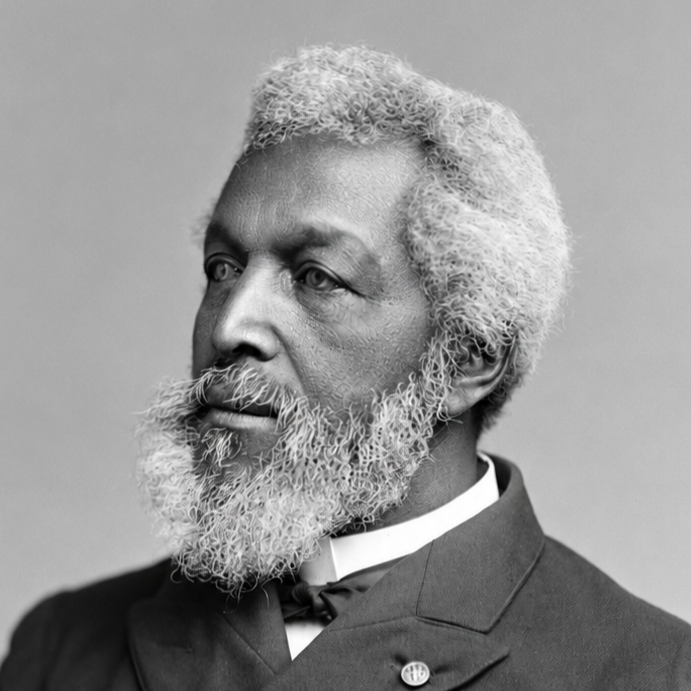
Reverend William Hammett Hunter: A Life of Faith in the Service of Freedom

Monticello and Peacefield
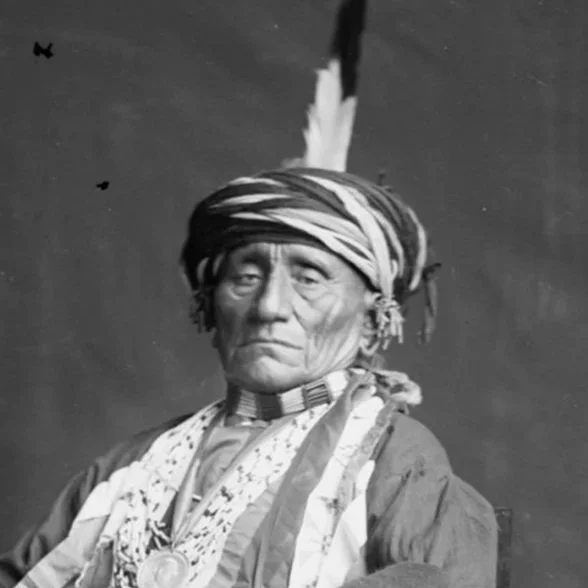
Wah Shem Gah and the Kaw Nation: A Portrait of Leadership, Memory, and Survival
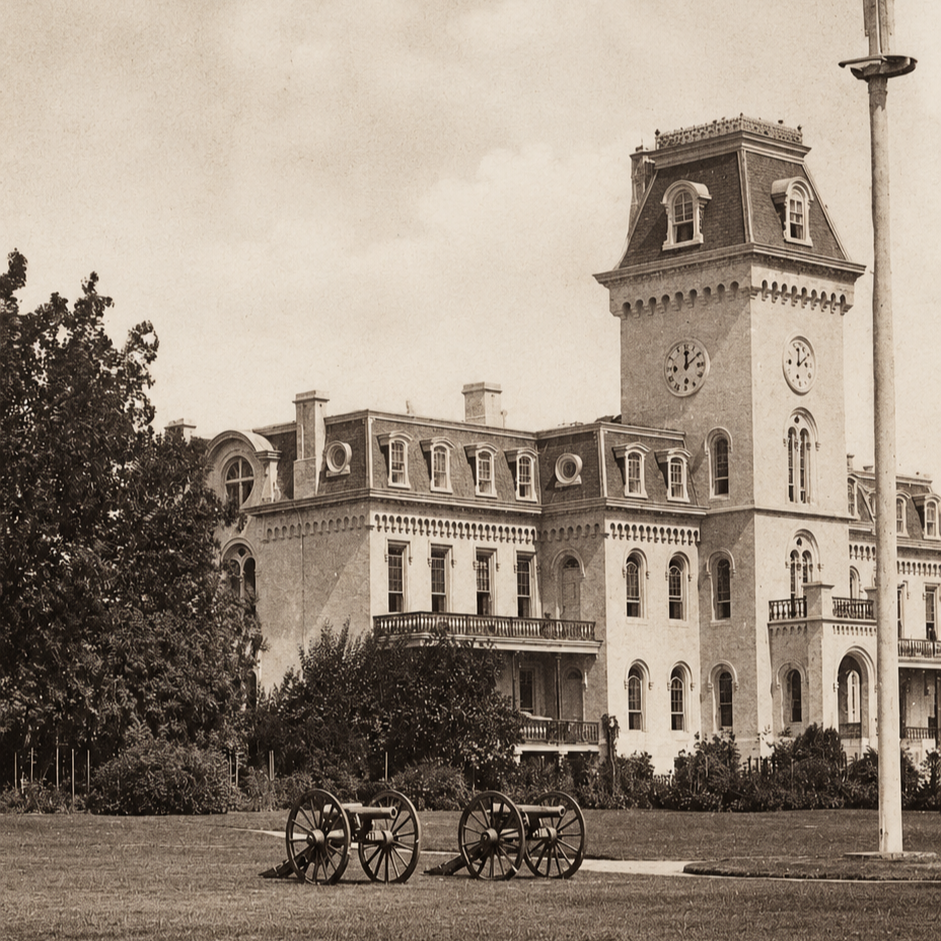
The United States Soldiers' Home: A Refuge for Veterans, a Sanctuary for Lincoln, and a Living Piece of American History
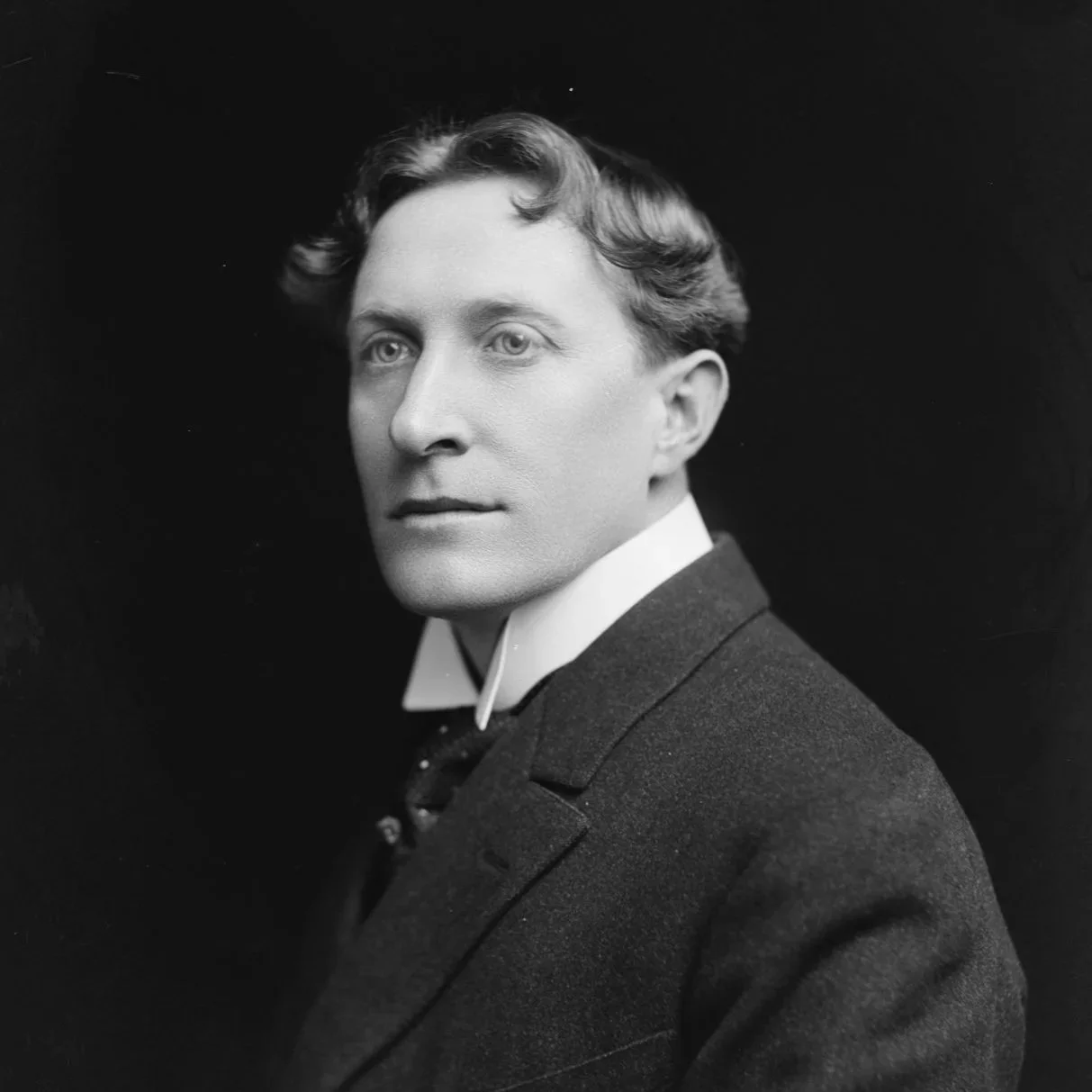
John Austin Keliher: From Boston's Immigrant Streets to the Halls of Congress
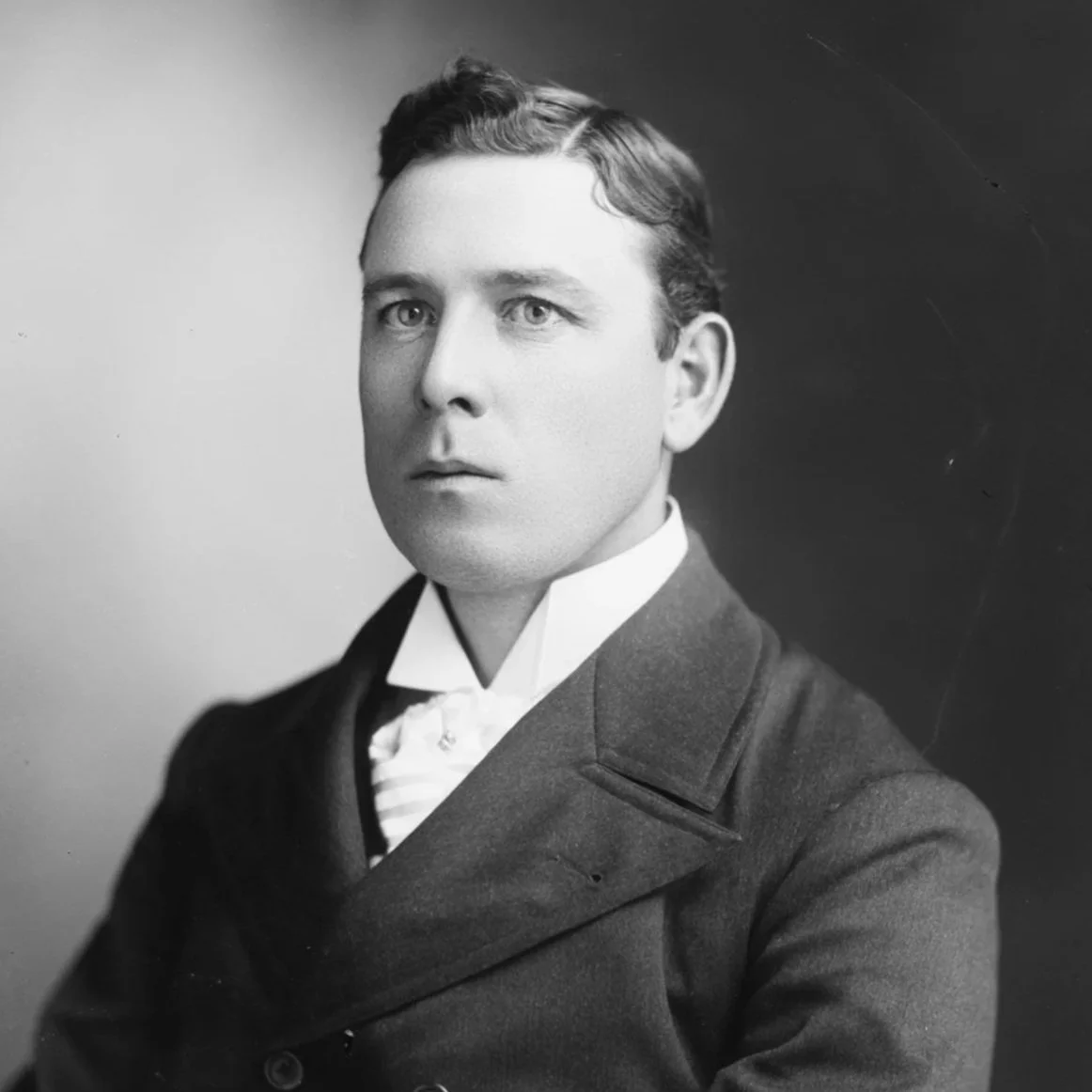
Jouett Meekin: The Hard Thrower from Kentucky
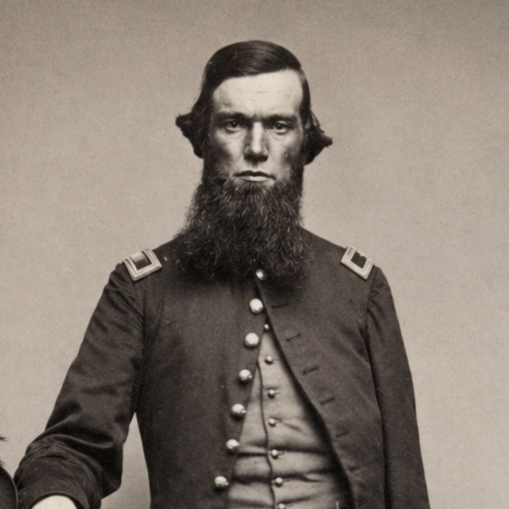
Between Gettysburg and the West: The Unresolved Fate of Lt. Robert G. McKay
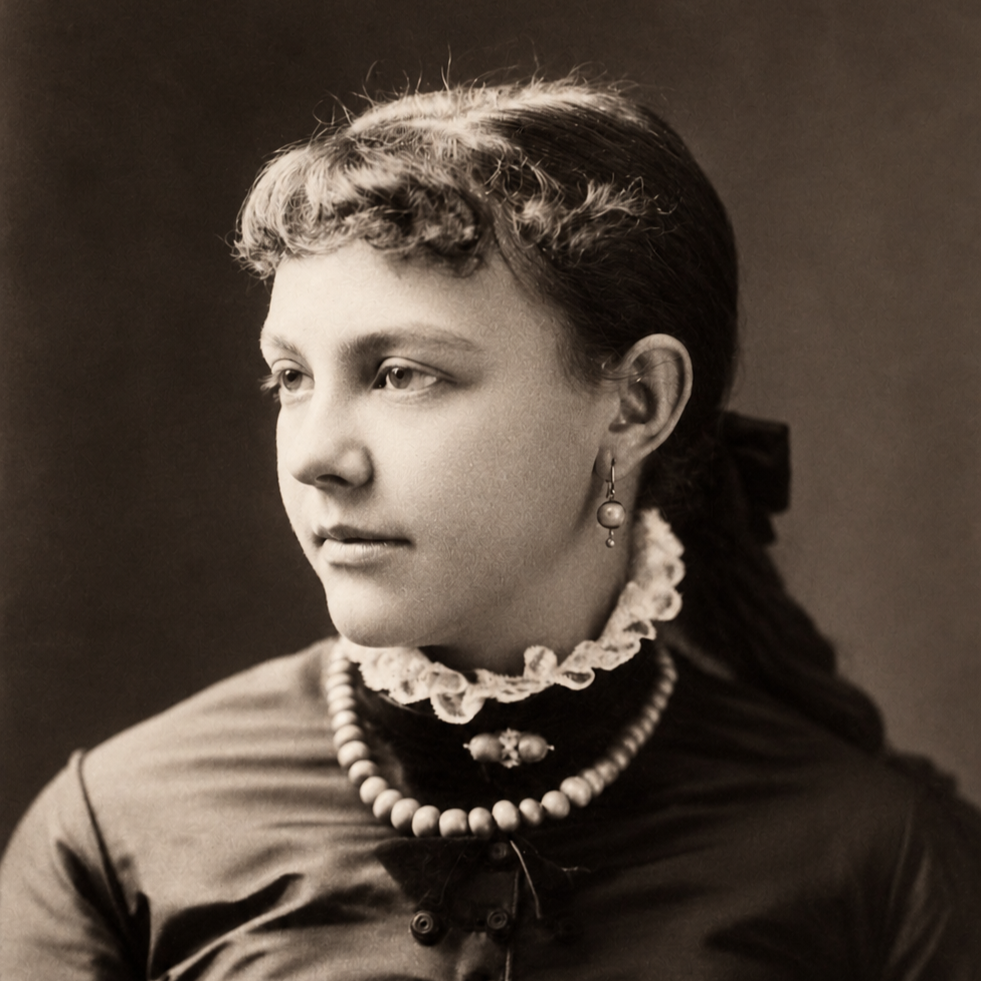
Annie Colley Bell: History Missed Her, The Camera Didn’t
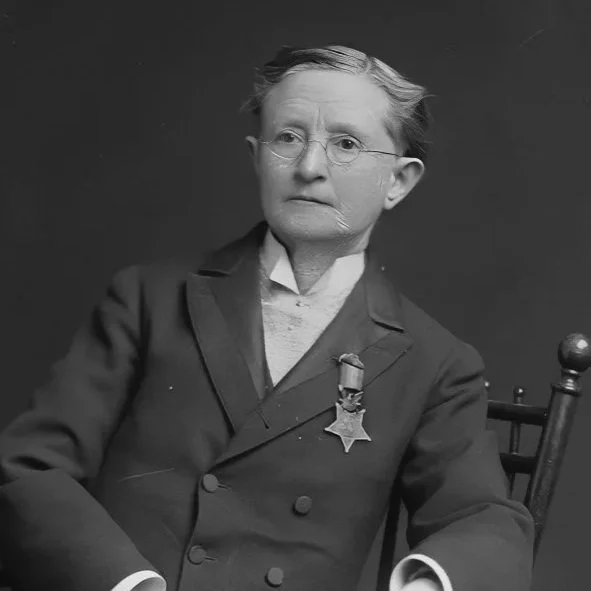
Dr. Mary Edwards Walker, A Life That Refused Permission
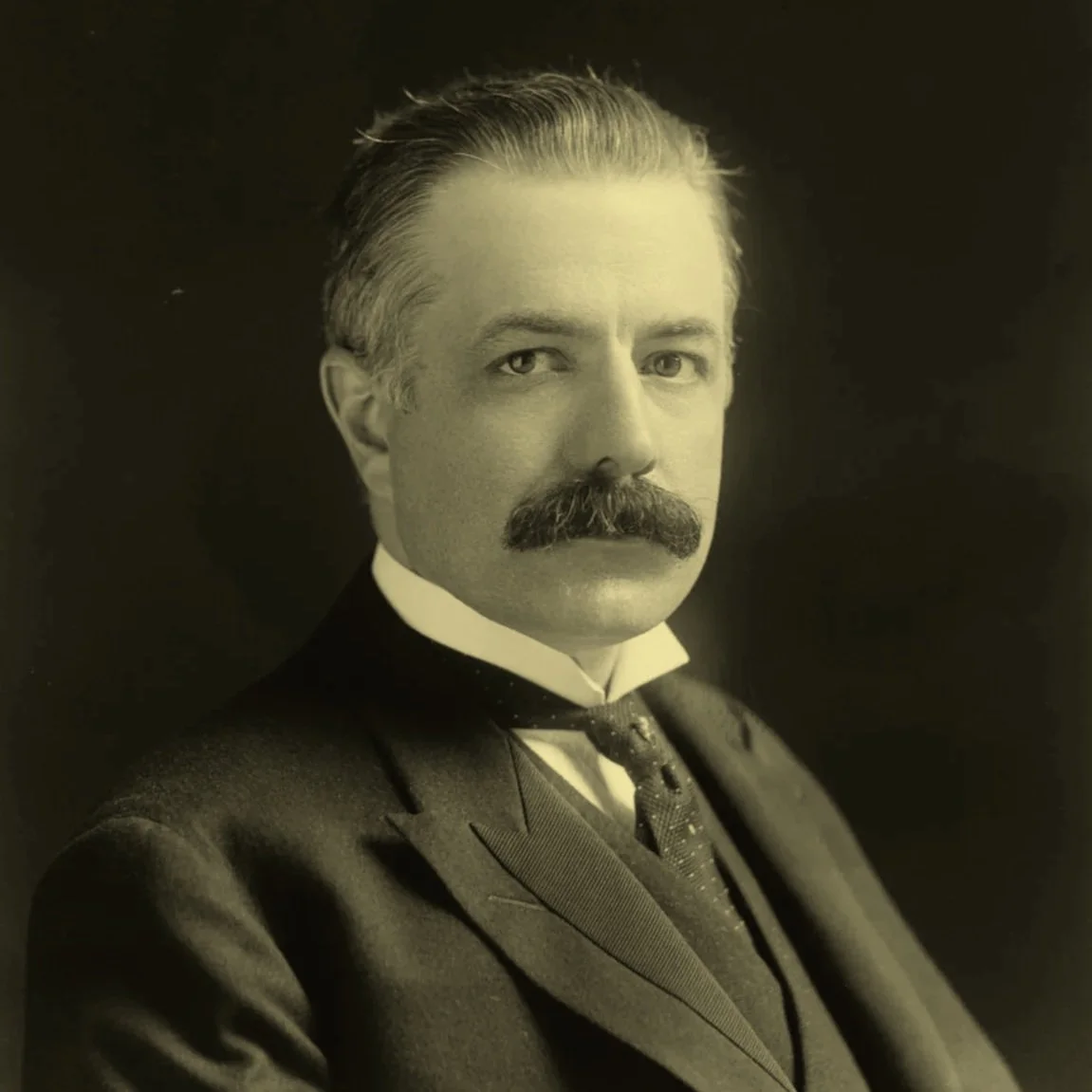
George B. Cortelyou, Private Secretary to President McKinley
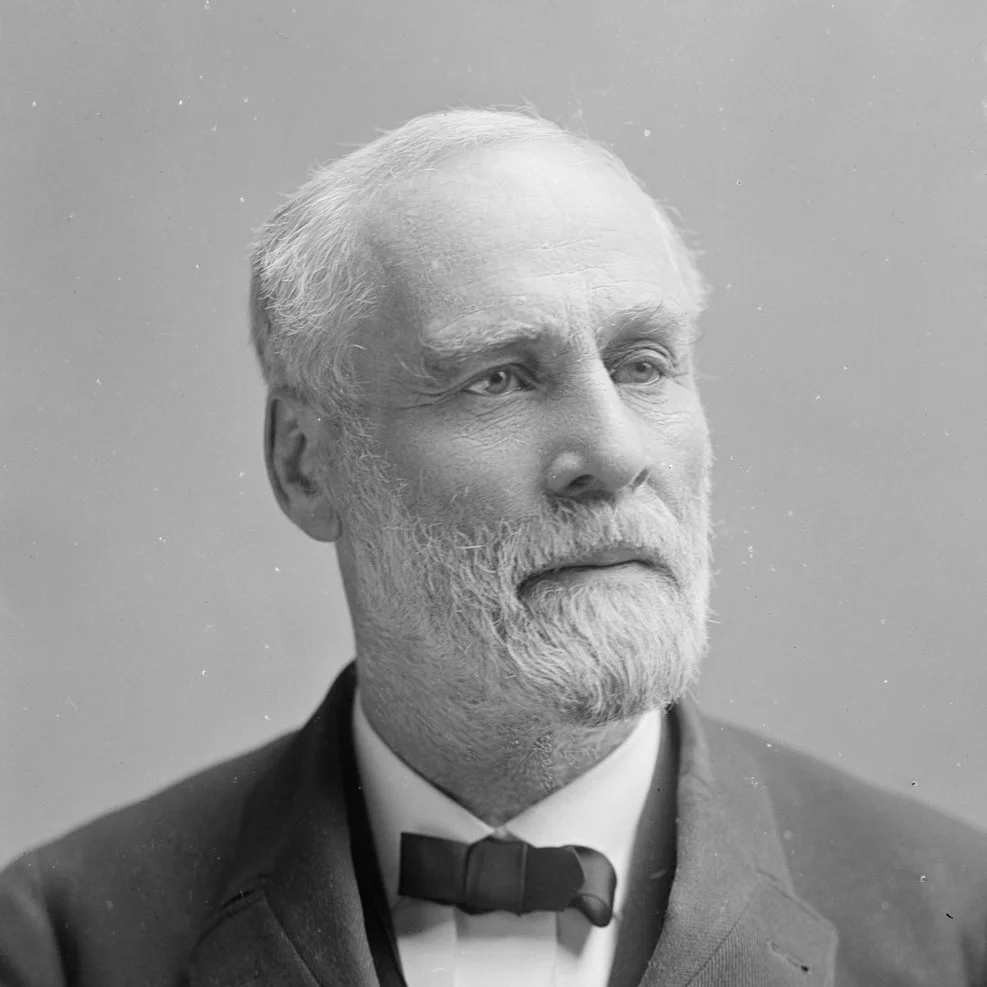
Henry Laurens Dawes: A Life of Conviction in an Age of Consequence
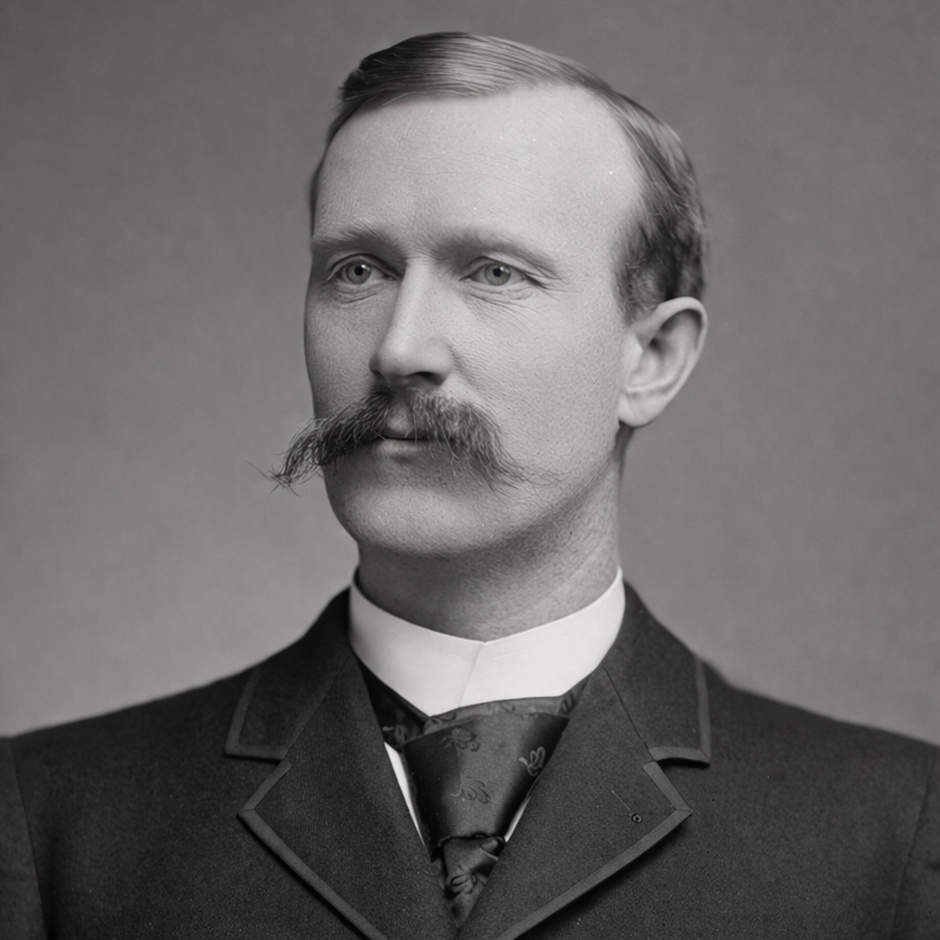
The Legacy of Senator James Henderson Kyle
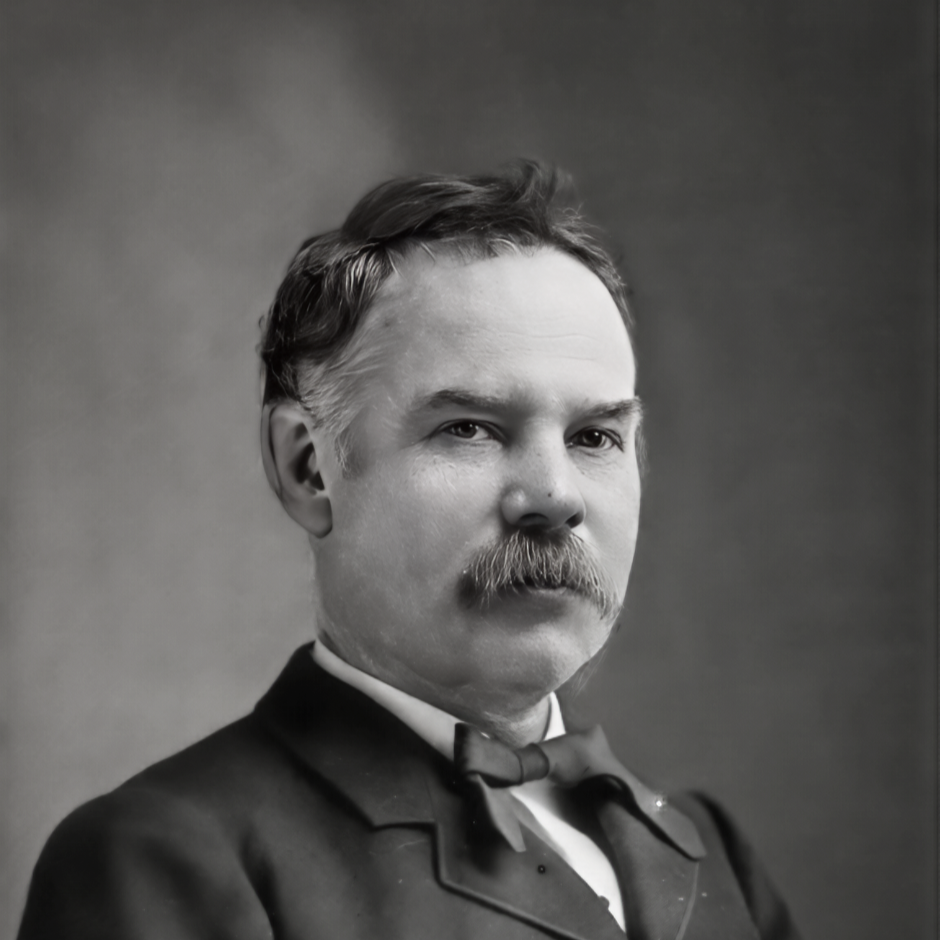
John Curtis Kyle, a Mississippi Democrat in the turbulent decades after Reconstruction
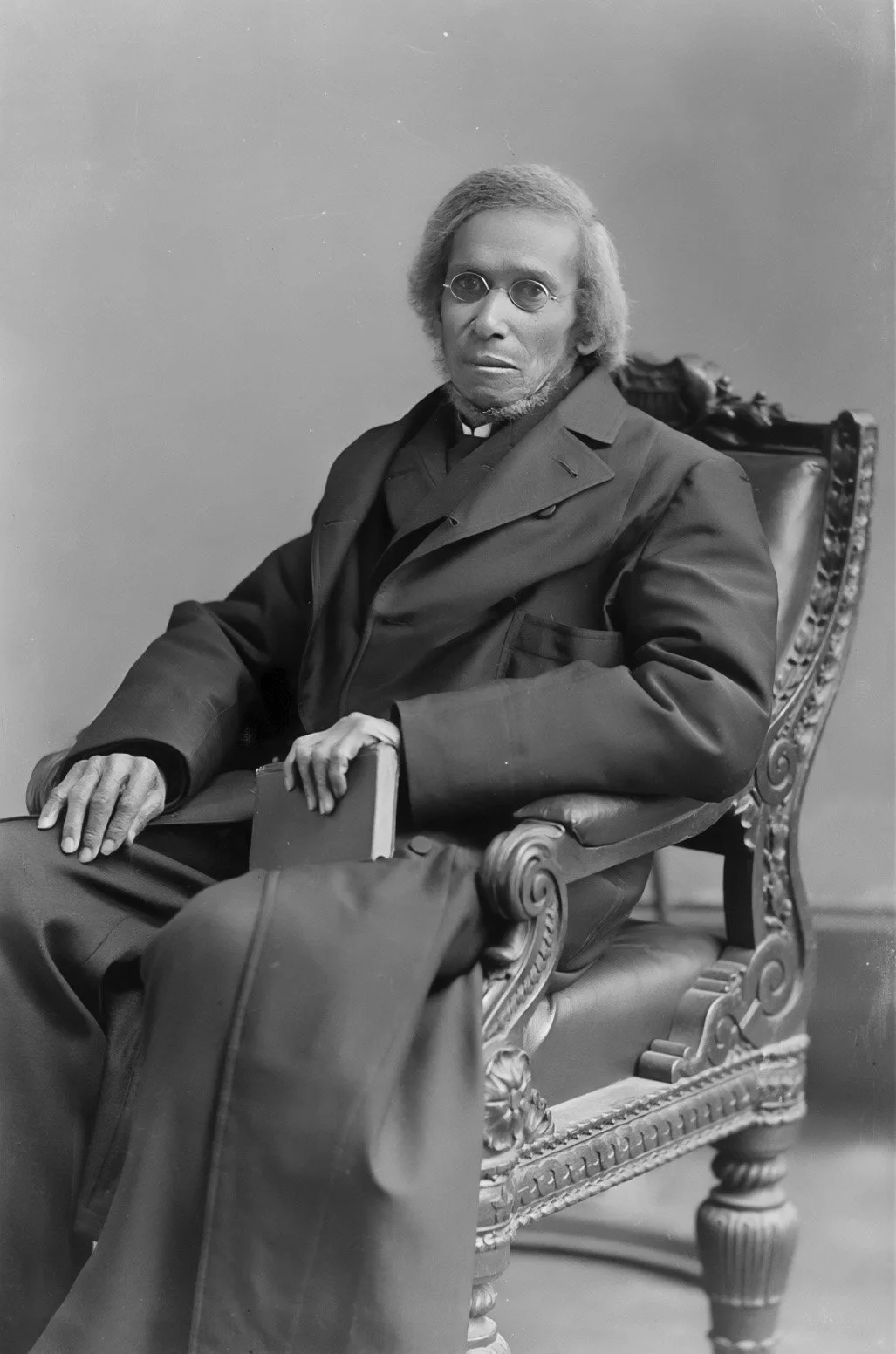
Bishop Daniel Alexander Payne, Architect of a Church and a People
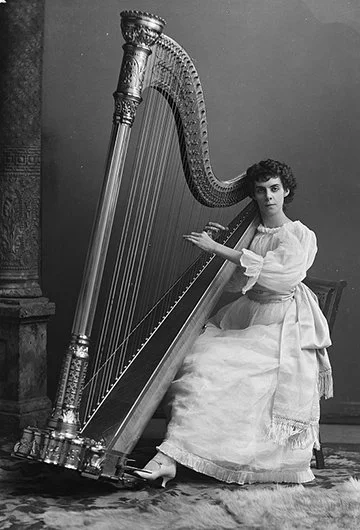
The Cluss Family in Washington: Architecture, Music, and Memory at the Turn of the Century
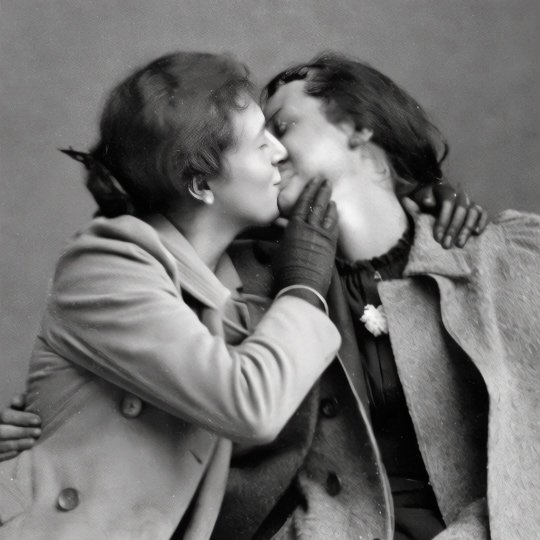
A Capital Kiss: A Studio Image at the Edge of Its Time
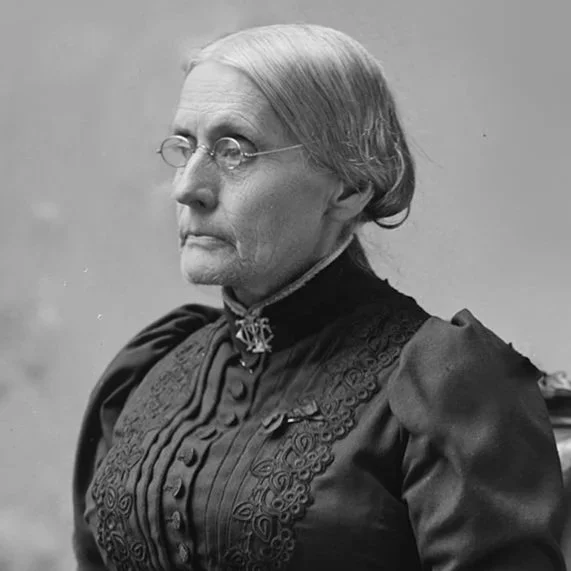
March Light on Glass: Susan B. Anthony, 125 Years On