
John Curtis Kyle, a Mississippi Democrat in the turbulent decades after Reconstruction
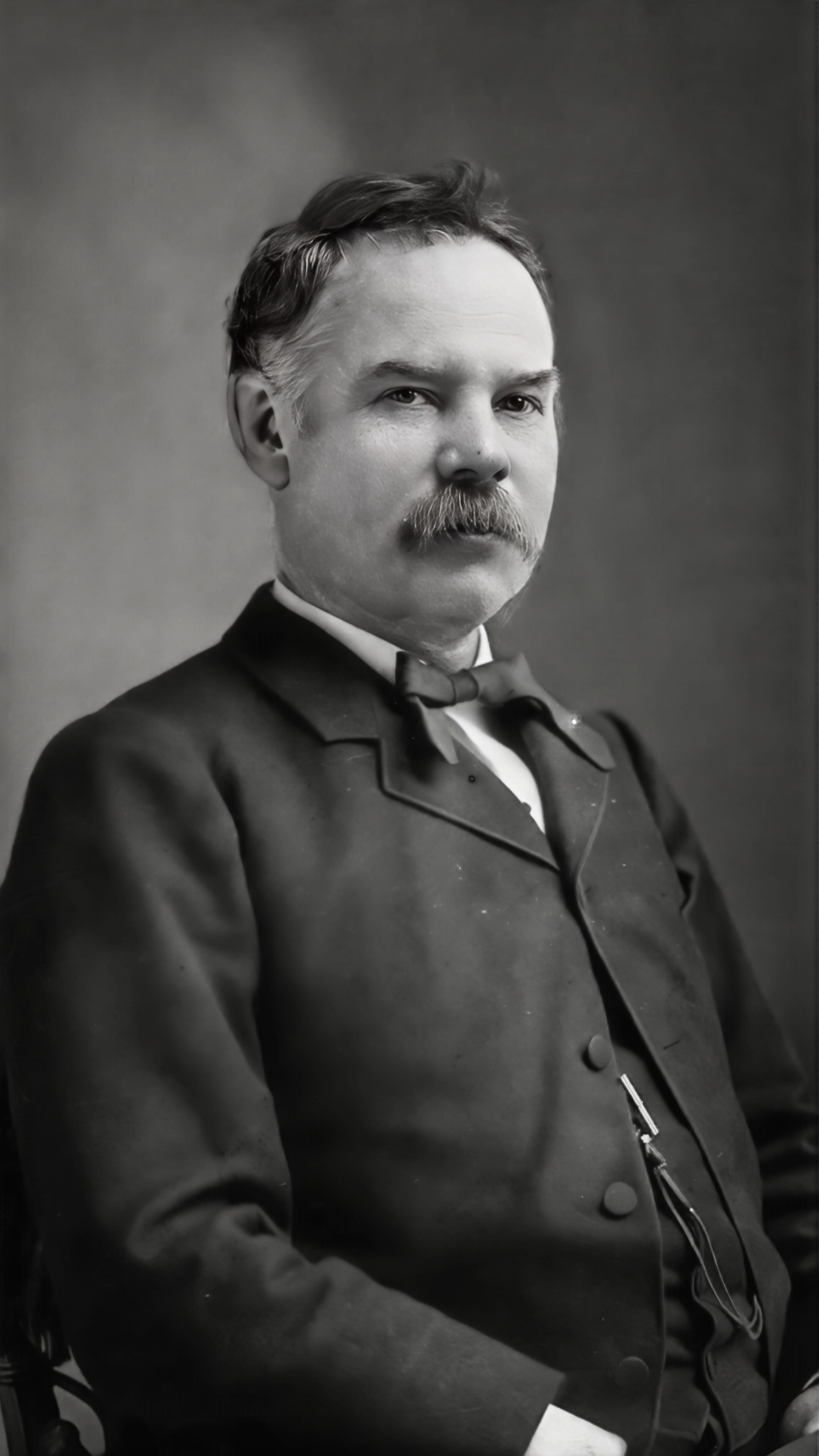
Congressman John Kyle, Sardis, Mississippi
In the long arc of American political history, certain figures stand not as national icons but as deeply representative men of their region and era. John Curtis Kyle belongs in that category. A lawyer, local official, state legislator, and ultimately a member of the United States House of Representatives from Mississippi, Kyle's career reflects the political culture of the post-Civil War South, where questions of power, party identity, and economic direction remained unsettled.
Born in 1851, Kyle came of age during one of the most consequential transitions in American history. His life bridged the period between the devastation of the Civil War and the emergence of a new, assertive Southern political class determined to reclaim authority. His rise from a farm boy in Panola County to a three-term congressman was not unusual in its outline, yet it reveals much about the pathways of influence in the late nineteenth-century South. John Curtis Kyle was born on July 17, 1851, near Sardis in Panola County, Mississippi. He was the son of James M. Kyle and Susannah Curtis Kyle, both members of a family rooted in the region's agricultural life. Like many Southern boys of his generation, his early years were shaped by the rhythms of farm labor and the upheaval of war.
During his youth, Mississippi endured the full force of the Civil War and the difficult years that followed. Kyle grew up in a world where economic systems had collapsed, political structures were uncertain, and communities were redefining themselves. These formative experiences would shape his political instincts, grounding him in a conservative, locally focused vision of governance. Kyle pursued education as best he could under the circumstances. He attended local schools and later studied at Bethel College in Tennessee before completing his legal education at Cumberland University Law School, earning his law degree in 1874. The choice of law as a profession was a natural one. In the postwar South, lawyers often became the architects of political and economic recovery. They were the interpreters of new laws, the negotiators of property and credit, and frequently, the leaders of their communities.
After being admitted to the bar in 1874, Kyle began practicing law in Batesville, Mississippi, before returning to Sardis, the town most closely associated with his life. In Sardis, he built a reputation not only as an attorney but as a man deeply engaged in civic life. The town, like many in Mississippi, was rebuilding itself socially and economically. Leadership at the local level required adaptability, personal connections, and a keen sense of community expectations. Kyle's legal practice placed him at the center of local affairs, dealing with land disputes, business arrangements, and the evolving regulatory environment of the Reconstruction and post-Reconstruction years. These experiences prepared him for political life, where legal knowledge and local credibility were essential.
Kyle's political career began in an unusual way. In 1879, he was elected mayor of Sardis despite not actively campaigning. This detail, easily overlooked, speaks volumes about the nature of local politics at the time. Elections often turned less on formal campaigns and more on reputation, relationships, and perceived competence. Kyle's election suggests he had already earned his community's trust. As mayor from 1879 to 1881, Kyle would have overseen a town still grappling with the economic dislocation of the Civil War. Municipal governance in this era involved managing limited resources, maintaining order, and encouraging economic stability. While records of his mayoralty are sparse, his subsequent political advancement indicates that his tenure was viewed positively.
In 1881, Kyle was elected to the Mississippi State Senate, serving until 1885. His time in the state senate coincided with a critical phase in Mississippi's political consolidation. The Democratic Party, which Kyle represented, was reestablishing dominance after the end of Reconstruction. This period saw the entrenchment of political structures that would define the state for decades. Kyle declined to seek a second term, a decision that may reflect either personal preference or strategic calculation. However, his political career did not pause. In 1886, he was selected by the state legislature to serve on the Mississippi Railroad Commission.

Curtis Kyle, Jr. in studio, 1891
The Railroad Commission was one of the most important regulatory bodies in the state. Railroads were the lifeblood of Southern economic recovery, connecting agricultural producers to markets and shaping patterns of trade and settlement. As a commissioner, Kyle would have been involved in issues such as rate regulation, infrastructure development, and disputes between corporations and local interests. His selection, again without active campaigning, suggests that he was regarded as a capable and trustworthy figure within the Democratic establishment.
Kyle's influence extended beyond elected office. In 1887, he became chairman of the Mississippi Democratic Party's executive committee. This role placed him at the center of statewide political strategy. The Democratic Party in Mississippi during this period was not merely a political organization; it was the dominant force shaping policy, elections, and governance. As chairman, Kyle would have coordinated campaigns, managed party messaging, and helped solidify the party's hold on power. This position also highlights his skill as an organizer and strategist. Leadership within the party required balancing regional interests, maintaining unity, and navigating the often contentious politics of the post-Reconstruction South.
Election to Congress
In 1890, Kyle was elected to the United States House of Representatives, representing Mississippi's 2nd district. He was reelected twice, serving three consecutive terms from March 4, 1891, to March 3, 1897. Kyle's election came during a period of national transition. The United States was moving from a largely agrarian society toward industrialization. Economic issues such as currency policy, tariffs, and railroad regulation dominated political debate. As a Southern Democrat, Kyle would have aligned with a party that was grappling with internal divisions over economic policy. These tensions would ultimately shape the trajectory of his career.
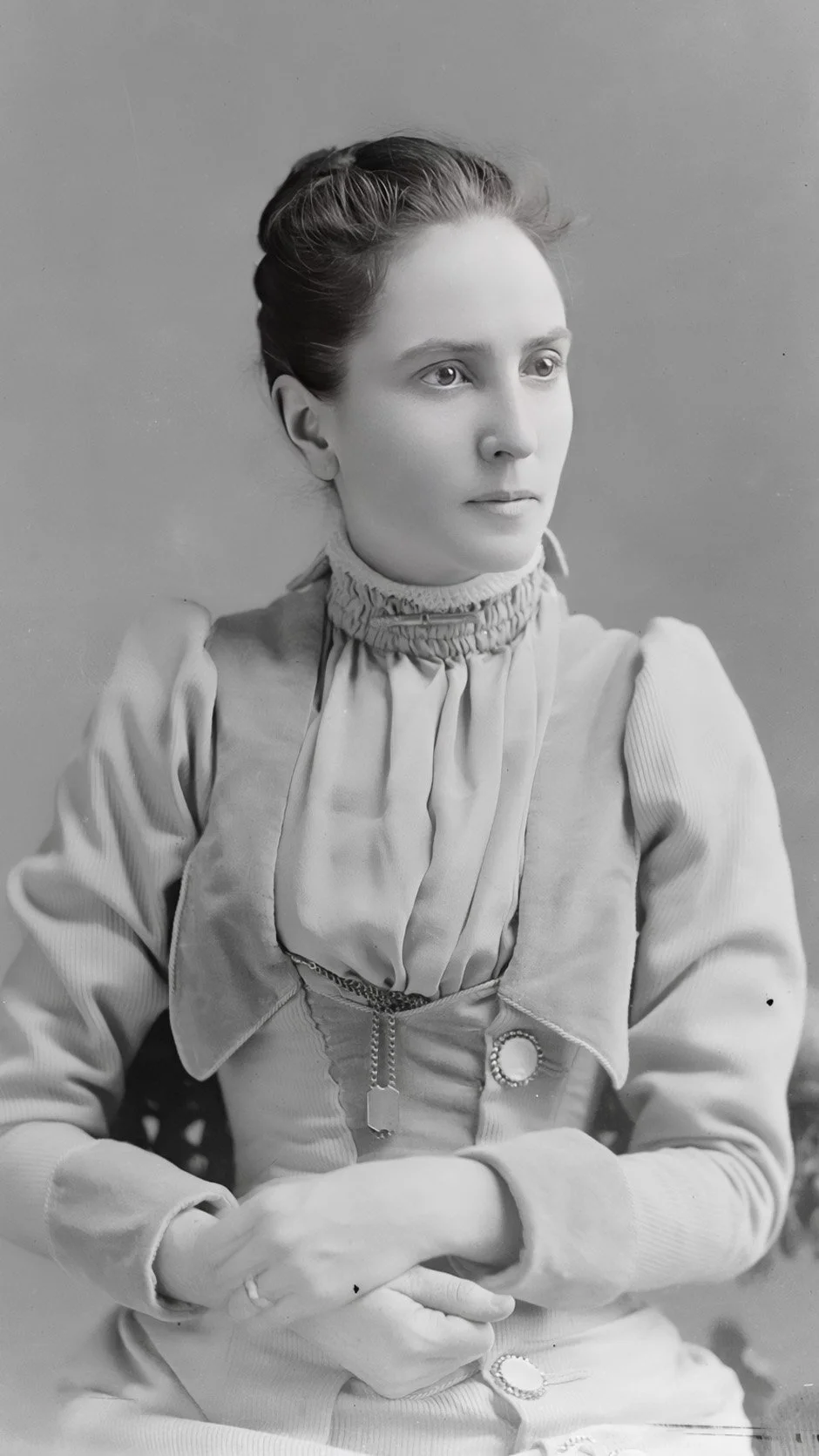
Sallie G. Heflin Kyle, wife. Unconfirmed, as no other photos exist of her. Glass negative noted “Mrs. J.C. Kyle”
Perhaps the most defining moment of Kyle's political life came at the end of his congressional service. In 1896, he declined to seek renomination, citing his opposition to the Democratic Party's adoption of the "Free Silver" platform. The Free Silver movement advocated unlimited silver coinage to increase the money supply and ease the burden on farmers and debtors. It was a central issue in the 1896 presidential election, championed by William Jennings Bryan. Kyle's opposition to Free Silver places him among a faction of Democrats who favored a more conservative monetary policy, often associated with the gold standard. His decision not to run again suggests both a principled stance and an awareness that his views were out of step with the dominant direction of his party. This moment is revealing. It shows Kyle as a politician willing to step away rather than conform, a choice that, while limiting his national career, underscores his independence.
After leaving Congress in 1897, Kyle returned to Sardis and resumed his legal practice. He also became involved in banking and other business ventures, reflecting a broader trend among former politicians who leveraged their experience and connections in the private sector. His post-congressional life was marked by continued engagement in his community's economic development. In 1900, Kyle sought the presidency of Mississippi Agricultural and Mechanical College but narrowly lost the position by a single vote. This episode illustrates both his ambition and the competitive nature of leadership roles in the state. It also suggests his interest in education and institutional leadership, areas that were gaining importance as Mississippi sought to modernize.
In 1902, he briefly entered the race for governor but withdrew, citing the demands of his business and legal commitments. This decision marked the end of his active political career.
Kyle gradually withdrew from public life, retiring from business in 1912. He died on July 6, 1913, just eleven days short of his 62nd birthday, in Sardis, Mississippi. He was buried in Rosehill Cemetery, a final resting place in the town that had shaped and defined his life.
In 1879, Kyle married Sallie G. Heflin, and the couple had one son, John Curtis Kyle Jr. The Kyle family remained influential in Mississippi. His relatives continued to serve in public roles, including his nephew, John W. Kyle, who became a justice of the Mississippi Supreme Court in the twentieth century. This continuity reflects a broader pattern in Southern political life, where family networks often sustained influence across generations.